Poésie Des Arts Désarmés
Venezuela

Poésie Des Arts Désarmés documents the experience of Venezuelan migrants through portraits and ethnographic methods that draw on caricature and haiku to explore displacement, resilience, and humor at the heart of crisis.
The border between Colombia and Venezuela is known for high temperatures and the diversity of armed groups. It has become a place where border realities contrast and are simultaneously intertwined, between life and death, in a unique complexity.
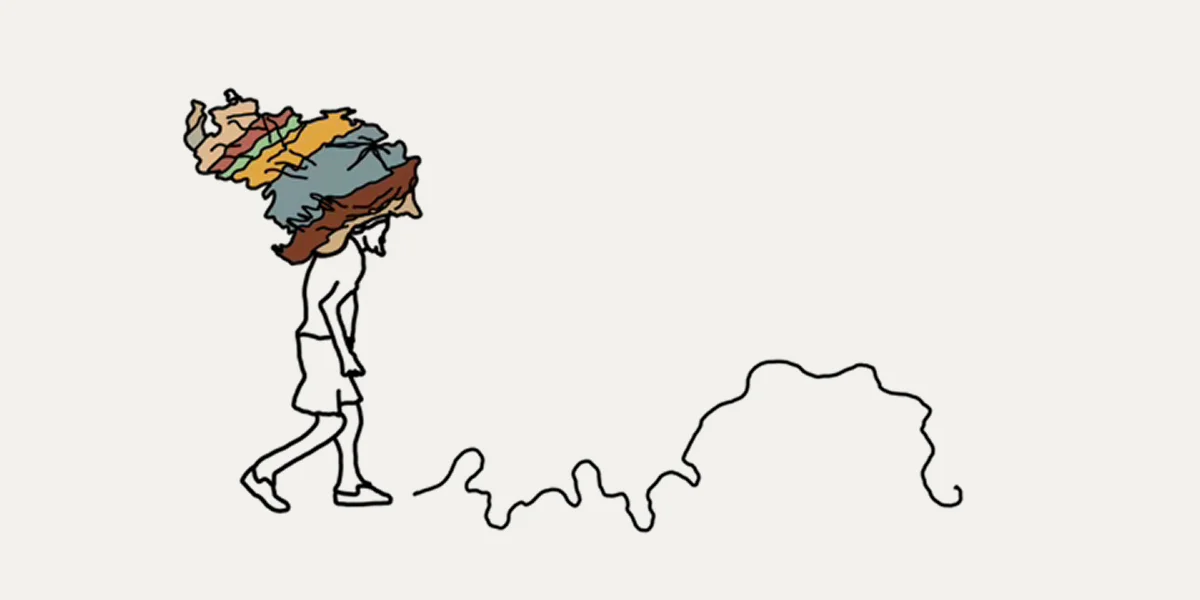
Along migratory routes, in hostels, in support centres for victims of violence, in refugee camps and other spaces, portraits of people were made, layered with summaries of their stories. These formats highlight the intimacy of life journeys, illustrating the most important moments that emerged during interviews.
Diving into the universe of caricature and Haiku means jumping into a world of volatile, confused meanings, often tinged with irony and leading to uncertainty and even a lack of meaning. It involves creating scenes that allow us to make sense of feelings of despair, emptiness, or grief. It is a wager on how to illustrate the value of today’s memories through forms that are neither literal nor exemplary: a weaponless empathy, reproducible and easily disseminated.
In environments marked by violence, creating a light atmosphere provides the opportunity to address difficult problems with vulnerable communities without succumbing to their gravity and avoiding prolonged emotional burdens. This brings these problems to light without overdetermining people's sense of identity and emotiveness. These proposals encourage a more accessible and less formal communication style, avoiding elitism and resonating with a broader audience interested in exploring diverse themes and subjectivities.
One of the comics, La joda: Una caricatura etnográfica del humor de los migrantes venezolanos, explores how Venezuelan migrants express funniness when speaking about their migratory trajectory and reveals the methodological importance of humour and comics in ethnographic research. This project seeks to break free from academic conventions by expanding the experiential dimension of ethnographic and artistic research. It highlights the evocative power of individuals, landscapes, and encounters, placing them in the foreground and integrating them into the weaving of sensory experience.